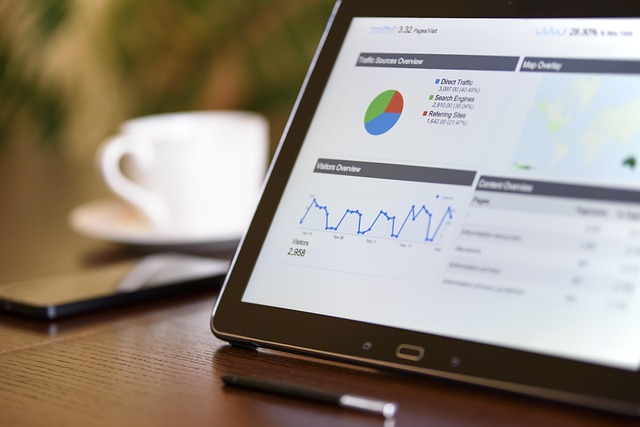
Real Estate decision-making thrives on comprehensive data analysis, combining traditional (government records, census) and modern sources (media outlets, AI technologies). Integrating these offers robust insights into property valuation, trends, and investment opportunities. Quality assessment, cross-referencing, and using advanced analytics ensure strategies are grounded in reliable evidence. Market dynamics, demographic shifts, and consumer behavior predictions drive successful Real Estate investments. Leveraging big data analytics provides a competitive edge through swift market responses and actionable intelligence.
In today’s dynamic real estate landscape, making informed decisions is paramount for success. However, navigating the complex web of data can be a significant challenge, often leaving professionals and investors at a disadvantage. This article delves into the critical aspect of gathering and utilizing data to drive strategic choices in the real estate sector. We explore how accessing and analyzing relevant information can mitigate risks, identify lucrative opportunities, and ultimately enhance decision-making processes. By providing a structured approach, we aim to empower readers with the tools necessary to thrive in this competitive market.
Identify Key Data Sources in Real Estate

In the dynamic landscape of real estate, making informed decisions hinges on gathering and analyzing key data sources. These range from traditional to innovative platforms, each offering unique insights into market trends, property values, and consumer behaviors. For instance, government records and census data provide foundational information on population growth, demographic shifts, and economic indicators crucial for gauging the real estate market’s health. Property listings and sales databases offer tangible metrics on property prices, demand patterns, and regional disparities.
Media outlets, both traditional and digital, serve as fertile grounds for understanding consumer preferences and trends. Real Estate publications, online forums, and social media platforms provide qualitative data through expert opinions, market rumors, and firsthand accounts from buyers, sellers, and investors. This diverse array of data sources empowers professionals to navigate the complex real estate market with confidence.
Moreover, leveraging advanced technologies such as geospatial analytics, artificial intelligence, and predictive modeling allows for deeper insights into property valuation, location-based trends, and potential investment opportunities. For example, AI algorithms can analyze vast datasets to identify emerging patterns in property prices, helping investors make informed decisions. By integrating these data sources and technological advancements, real estate professionals can ensure their strategies are grounded in robust evidence, ultimately leading to successful outcomes.
Evaluate and Assess Information Quality

In the realm of real estate, making informed decisions hinges on evaluating and assessing the quality of information. It’s not merely about gathering data; it’s about discerning the reliability, relevance, and timeliness of that data. Consider a prospective landowner seeking to develop a site—the accuracy of environmental reports, historical property records, and market trends is paramount. Failing to scrutinize such data can lead to costly mistakes, from contaminated land issues to miscalculated investment returns.
A critical aspect of this process involves cross-referencing sources and validating figures. For instance, when evaluating a property’s value, compare multiple appraisals from reputable firms. In some cases, comparing historical sales data within the same area can offer valuable insights into market fluctuations. Real estate professionals also leverage advanced analytics and geographic information systems (GIS) to gain deeper insights into demographic trends, crime rates, and infrastructure developments, all of which are essential for making strategic decisions.
Practical advice for real estate practitioners includes maintaining a diverse network of reliable data providers and regularly updating their databases. Utilizing industry-standard tools for data management and analysis ensures consistency in decision-making processes. Moreover, staying abreast of regulatory changes and market dynamics is crucial, as these factors can significantly impact information quality. For instance, changes in zoning laws or new environmental regulations may alter the viability of a property investment, emphasizing the need for continuous, critical assessment of available information.
Interpret Insights for Strategic Decisions
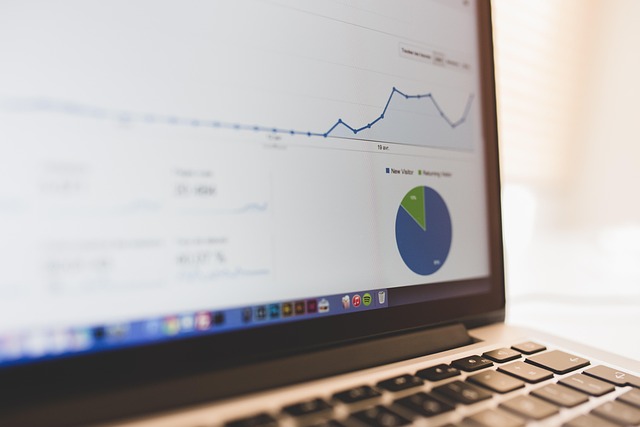
In the realm of real estate, data is not merely a collection of numbers; it’s a powerful tool for strategic decision-making. Interpreting insights from market trends, demographic shifts, and consumer behaviors allows investors and developers to anticipate future demands and make informed choices. For instance, analyzing historical sales data can reveal emerging patterns in urban areas, such as a growing preference for mixed-use developments that seamlessly blend residential, commercial, and recreational spaces. This knowledge is crucial for strategic planning, enabling stakeholders to identify undervalued sectors or emerging hotspots.
Expert analysts play a pivotal role in deciphering these insights. They employ advanced analytics techniques to uncover hidden correlations and trends. For example, by merging geographic information systems (GIS) data with consumer behavior models, real estate professionals can pinpoint areas with high potential for sustainable, eco-friendly projects. This approach not only ensures investment viability but also aligns with evolving market preferences for green spaces and environmentally conscious living. Furthermore, leveraging big data analytics in real estate fosters a competitive edge by enabling swift responses to market dynamics, ultimately driving strategic decisions that foster long-term success.
Actionable advice for navigating this process includes regularly reviewing industry reports, engaging with data-driven platforms, and cultivating a team of experts who can interpret complex datasets. Real estate investors should also encourage a culture of continuous learning, staying abreast of technological advancements in data analysis. Embracing these practices fosters a strategic mindset, transforming raw data into actionable intelligence that guides decisions shaping the built environment.