
Real estate decisions require accurate data from reliable sources like MLS, government records, and online databases. Key metrics for analysis include location, property type, condition, and recent sales. Comparable sales data helps professionals decipher market trends, set competitive prices, and negotiate offers effectively. Staying informed on comparable sales is crucial for navigating the dynamic real estate landscape.
In the dynamic realm of real estate, understanding market trends is paramount for both investors and homeowners. Among the most valuable tools at our disposal: reviewing recent comparable home sales. This practice allows us to assess property values accurately, inform strategic decisions, and navigate the ever-changing market with confidence. However, navigating this process effectively can be challenging due to the vast amount of data and varying regional dynamics. This article provides a comprehensive guide, equipping readers with the knowledge and strategies to masterfully review comparable sales in their real estate endeavors.
Gather Necessary Data: Sources for Recent Comparable Home Sales in Real Estate

When reviewing comparable home sales in real estate, gathering accurate and up-to-date data is paramount to making informed decisions. The first step involves identifying reliable sources for recent comparable sales within the specific market or neighborhood of interest. These can include local multiple listing services (MLS), government records offices, online real estate databases, and even direct communication with real estate agents who specialize in the area. For instance, MLS platforms provide a comprehensive list of active and recently sold properties, complete with details such as sale price, square footage, lot size, and closing dates.
Additionally, property tax assessments and county records offer valuable insights into historical sales data, property values, and any relevant zoning or building code information. Online real estate sites like Zillow or Redfin further enhance this process by offering user-friendly interfaces where you can filter searches based on various criteria such as price range, location, and property type. These sources collectively provide a robust dataset for analysis, enabling agents, buyers, and sellers to make informed judgments in today’s dynamic real estate market.
For instance, say you’re assessing comparable sales in a suburban neighborhood known for its historic homes. A thorough review of local MLS data would reveal recent sales of similar-sized properties within the same historical district, allowing for a more precise estimation of value. Combining this with property tax records could uncover trends over time, helping to predict potential future appreciation or depreciation. By leveraging these diverse data sources and applying expert analysis, one can navigate the real estate landscape with confidence and make strategic decisions that align with market realities.
Analyze Key Metrics: Assessing Factors That Influenced Pricing Decisions
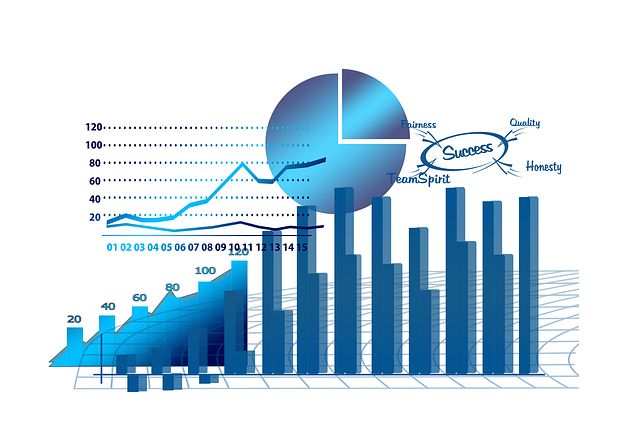
When reviewing comparable home sales, a meticulous analysis of key metrics is essential to understand the real estate market dynamics at play. Assessing factors such as location, property type, condition, and recent sales data provides valuable insights into what buyers are willing to pay. For instance, consider a neighborhood where new developments offer modern amenities but older homes with historical charm command premium prices due to their unique character and low supply.
Location-based metrics are paramount in real estate. Proximity to schools, parks, or urban centers can significantly influence property values. According to a recent study, homes within a mile of top-rated schools saw an average price increase of 15% compared to similar properties farther away. Additionally, external factors like local economy health and employment rates indirectly impact home pricing. A thriving job market often leads to higher demand, causing prices to rise, whereas economic downturns can result in price corrections.
Condition and upgrades are another critical aspect. Well-maintained homes typically sell for a premium compared to those requiring repairs or renovations. This is particularly evident in markets where new construction dominates; older homes must compete by showcasing their unique features or potential for transformation. For example, a 1920s colonial with original hardwood floors and architectural details may attract buyers seeking to preserve historical homes, justifying a higher asking price despite its age. Property condition assessments are valuable tools to help sellers accurately set expectations and prepare their homes for market.
Expert advice recommends tracking not only recent sales but also the time on the market. Homes that sold quickly indicate high buyer demand, which can impact pricing. Conversely, longer durations suggest buyers may be more selective or negotiating, potentially affecting the final sale price. By delving into these metrics, real estate professionals and sellers can make informed decisions, ensuring their properties are competitively priced in today’s dynamic market.
Interpret Results: How These Sales Affect Market Trends and Property Valuation
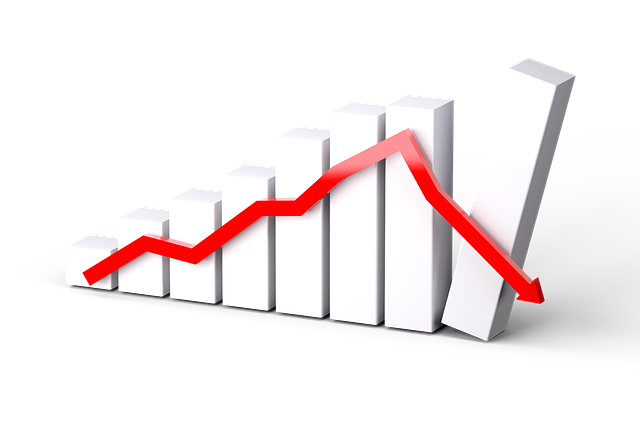
When reviewing recent comparable home sales, the data paints a clear picture of real estate trends and their impact on property valuation. The analysis should go beyond mere numbers, interpreting results with an eye towards market dynamics. For instance, a surge in sales of similar properties in a specific neighborhood indicates strong demand, which can drive up prices and attract more developers and investors to the area. Conversely, a dip in comparable sales might signal a cooling market, offering potential buyers leverage during negotiations.
Expert appraisers closely examine these trends, looking for patterns that could influence future valuations. Consider a historical case where a particular neighborhood experienced a boom in tech-related jobs, leading to increased demand for housing. Over time, as the population grew and amenities improved, property values soared. Conversely, if a once-popular area faces demographic shifts or economic downturns, comparable sales data can help assess the impact on real estate values, allowing both buyers and sellers to make informed decisions.
Actionable advice for professionals and clients alike involves staying updated on market trends through regular comparable sales reviews. This proactive approach enables better decision-making, whether setting asking prices, preparing listings, or negotiating offers. By understanding how recent sales affect market trends and property valuation, individuals can navigate the real estate landscape with confidence, ensuring they secure the best possible outcomes in today’s ever-changing market.