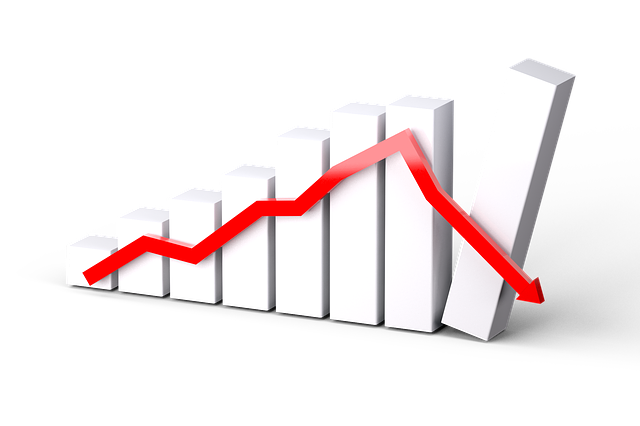
Real estate professionals need to predict buyer interest fluctuations for success. This involves analyzing trends like sustainable property demand, demographic shifts (e.g., aging population), and economic indicators (e.g., interest rates). Advanced analytics tools, such as Predictive Analytics, utilizing historical data and hidden consumer behaviors, offer accurate market forecasting. These models optimize strategies from pricing to marketing, enhancing competitiveness in the dynamic real estate landscape.
In today’s dynamic market, predicting fluctuations in buyer interest is paramount for success in Real Estate. The ability to anticipate shifts in consumer behavior can mean the difference between a thriving business and one struggling to stay afloat. Yet, navigating these changes presents a significant challenge. This article delves into proven strategies and cutting-edge insights to empower professionals with accurate predictions. By exploring data analytics, market trends, and behavioral psychology, we offer a comprehensive solution to ensure you remain ahead of the curve in this ever-evolving landscape.
Analyze Market Trends in Real Estate

Predicting fluctuations in buyer interest is a key strategy for real estate professionals aiming to stay ahead of the market. In the dynamic realm of real estate, understanding market trends is akin to deciphering a symphony—each note represents a shift in demand, while the overall melody reveals broader economic patterns. Analyzing these trends allows agents and investors to anticipate buyer behavior, enabling them to make informed decisions that can drive success or hinder progress.
Take, for instance, the recent surge in interest towards sustainable and eco-friendly properties. According to a 2023 report by the National Association of Realtors (NAR), over 75% of home buyers consider energy efficiency when purchasing. This shift is not just a fleeting trend but a growing movement driven by environmental consciousness and potential long-term savings. Real estate professionals who recognize this trend can position themselves as innovators, offering properties with advanced insulation, solar panels, or smart home technology—all of which are becoming increasingly desirable to today’s buyers.
Furthermore, demographic changes also significantly influence real estate market trends. The aging population, for example, has led to a growing demand for senior-friendly housing options, such as low-maintenance condos and assisted living facilities. Conversely, the rise of remote work has spurred interest in suburban areas offering more space and quieter environments, challenging the previously dominant urban market. Staying abreast of these demographic shifts allows real estate professionals to adapt their strategies, whether it’s developing properties tailored to specific age groups or repositioning existing listings to appeal to changing lifestyles.
To effectively analyze market trends, real estate professionals should leverage data from various sources, including government statistics, industry reports, and local market surveys. Incorporating advanced analytics tools can provide deeper insights into buyer behavior, allowing for more precise predictions. By constantly monitoring these trends and staying attuned to the evolving needs of buyers, experts in the field can navigate the real estate landscape with confidence, ensuring they remain competitive and relevant in a dynamic market.
Understand Buyer Behavior Patterns

Predicting fluctuations in buyer interest is a critical skill for real estate professionals, enabling them to stay ahead of market trends and adapt their strategies accordingly. Understanding buyer behavior patterns involves delving into the motivations, preferences, and trends that drive potential purchasers. By analyzing historical data on property sales, demographic shifts, and economic indicators, experts can identify recurring patterns and emerging trends. For instance, a consistent increase in demand for eco-friendly homes over the past decade underscores a growing preference among buyers for sustainable living options.
Real estate agents should also consider seasonal variations in buyer interest. Spring and summer months traditionally see a surge in home buying activity due to factors like favorable weather conditions and school calendar shifts. Conversely, winter can present a quieter period, offering both opportunities for strategic pricing adjustments and increased focus on marketing efforts to capture the attention of serious buyers. A study by the National Association of Realtors revealed that homes listed during late fall or early winter often attracted more qualified leads compared to those listed during peak summer months.
Moreover, staying attuned to socio-economic factors such as interest rates, employment levels, and regional economic growth is vital. Low-interest rates historically stimulate buyer activity, while rising rates can temporarily cool off the market. According to the Federal Reserve, the significant drop in mortgage rates in 2020 contributed to a surge in home purchases, with existing home sales increasing by 24% year-over-year. Real estate professionals must continuously monitor such indicators and communicate their implications to clients, ensuring they are well-prepared for market fluctuations.
Implement Predictive Analytics for Interest Fluctuations

In the dynamic landscape of real estate, understanding buyer interest fluctuations is paramount for successful market navigation. Predictive Analytics emerges as a powerful tool to decipher these ebbs and flows, enabling professionals to anticipate demand patterns with remarkable precision. By leveraging advanced algorithms and historical data, this method reveals hidden trends and consumer behaviors, fostering proactive strategies tailored to evolving markets.
Implementing Predictive Analytics involves training models on vast datasets—from past sales figures and demographic shifts to seasonal trends and macroeconomic indicators. For instance, a study by the National Association of Realtors (NAR) found that analytics-driven predictions accurately forecasted a 5% increase in home sales during a period when traditional methods anticipated a 2% decline. This real-world example underscores the methodology’s efficacy in mitigating risk and maximizing opportunities.
Experts recommend integrating predictive models into every stage of the real estate process. During property listing, these analytics can identify optimal pricing by analyzing comparable sales and market trends. As buyers engage with listings, sophisticated algorithms monitor search patterns and preferences, refining marketing strategies to target specific demographics effectively. Moreover, predictive insights guide post-sale activities, such as identifying potential property values upon renovation or predicting rental demand in emerging neighborhoods, fostering long-term strategic planning.