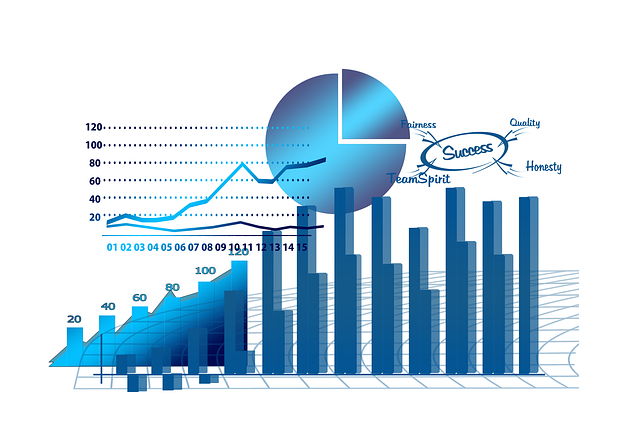
Real Estate professionals leverage market dynamics—supply, demand, urban trends—and data analytics to make informed decisions. Comparing local and national averages offers nuanced insights for investors and developers. Advanced tools enhance prediction accuracy, enabling strategic portfolio positioning and driving sustainable urban development through technology-integrated pricing models. Forecasting future demand is crucial, factoring in demographics, economic indicators, and consumer sentiment for successful investments and market positioning.
In the dynamic landscape of real estate, understanding supply, demand, and pricing trends is the crucible for informed decision-making. These factors naturally shape market conditions, influencing everything from property values to investor strategies. However, navigating this intricate web can be a formidable challenge, with fluctuating dynamics often shrouded in complexity. This article delves into the heart of these trends, offering a comprehensive evaluation framework to demystify the process. By the end, readers will equip themselves with the knowledge to make strategic choices, ensuring they stay ahead in today’s competitive real estate arena.
Analyzing Market Dynamics: Supply & Demand in Real Estate

In real estate, understanding market dynamics is paramount for successful investment and development strategies. The interplay of supply and demand forms the backbone of any real estate market, influencing property values, rental rates, and overall market trends. To effectively evaluate these dynamics, professionals must analyze both qualitative and quantitative factors. For instance, a city’s urban renewal projects can significantly boost demand for residential properties, while limited land availability may restrict the supply, driving up prices. Similarly, demographic shifts play a crucial role; an aging population might increase demand for senior living facilities, contrasting with a young workforce that seeks urban lofts, thus creating diverse market segments with unique supply-demand imbalances.
Historical data provides valuable insights into these trends. Tracking price appreciation over time reveals consistent patterns in premium real estate markets, offering a benchmark for current and future investments. For example, examining the last decade’s data may highlight areas experiencing steady growth, indicating strong demand and favorable supply conditions. Conversely, identifying regions with sharp price drops can signal over-saturation or supply outpacing demand, a crucial factor for investors aiming to capitalize on market corrections. Moreover, comparing local real estate trends against national averages allows for a nuanced understanding of market dynamics, enabling professionals to make informed decisions tailored to specific micro-markets.
Actionable advice for navigating these dynamics includes staying abreast of regional development plans and regulatory changes that can impact supply potential. Investors and developers should also consider the evolving preferences of target demographics, as shifts in lifestyle choices can dramatically influence demand. By integrating advanced data analytics tools, professionals can predict market movements with greater precision, enabling them to position their portfolios strategically. Ultimately, a comprehensive analysis of supply and demand in real estate not only ensures better investment performance but also contributes to the sustainable development of dynamic urban landscapes.
Pricing Strategies: Trends Shaping Urban Landscapes
In urban landscapes, pricing strategies in real estate are shaped by a complex interplay of supply and demand dynamics. Understanding these trends is crucial for both developers and investors aiming to navigate this competitive sector effectively. According to recent market reports, urbanization rates globally have been steadily climbing, driving substantial demand for residential and commercial properties in metropolitan areas. This surge in demand has consequently influenced pricing trends, with urban centers often experiencing higher property values compared to their suburban counterparts. For instance, a study by the Urban Land Institute revealed that prime downtown locations in major cities can command premiums of up to 40% or more over comparable properties on the outskirts.
One prominent trend shaping urban real estate pricing is the concept of location premium. Urban dwellers are increasingly willing to pay a higher price for properties situated in areas offering superior amenities, access to public transportation, and proximity to cultural hotspots. This preference has led to significant price differentials across various neighborhoods within the same city. For example, properties in central business districts with easy access to financial hubs often command premium rates, while those located in quieter residential zones may see more modest pricing. Developers have taken note, strategically positioning new projects in areas that promise high desirability and, consequently, strong sales potential.
Moreover, the integration of technology has become a pivotal factor in real estate pricing strategies. Digital platforms enable efficient data collection and analysis, empowering developers to make informed decisions regarding price points. Real-time market insights, demographic trends, and even social media sentiment can be leveraged to anticipate demand and set competitive prices. For instance, AI-driven analytics can identify emerging hot spots by analyzing online discussions, social media posts, and search engine queries related to specific neighborhoods or developments. This technological edge allows developers to position their projects in areas where they are most likely to attract strong interest, ensuring not only high sales but also setting benchmarks for future pricing in those locations.
Forecasting Future Demand: A Real Estate Investor's Guide

Forecasting future demand is a critical aspect of successful real estate investment, allowing investors to make informed decisions about acquisitions, developments, and market positioning. This process involves a nuanced understanding of market dynamics, including supply and pricing trends, and their interplay with demographic shifts, economic indicators, and consumer preferences. In the ever-evolving real estate landscape, staying ahead of demand trends can provide investors with a significant competitive edge.
A comprehensive demand forecast starts with a thorough analysis of historical data, which offers insights into past market behavior. Real estate investors should examine sales records, vacancy rates, and rental trends over different periods to identify patterns and seasonal fluctuations. For instance, a consistent increase in demand for residential properties during specific seasons can guide investment strategies, such as timing purchases or developments to capitalize on peak demand. Additionally, demographic data is invaluable; understanding population growth rates, age distribution, and migration patterns can predict future demand, especially for niche markets like senior living or student accommodations.
Real-time tracking of economic indicators and consumer sentiment is equally vital. Investors should monitor key performance indicators (KPIs) such as employment rates, interest rates, and consumer confidence. These factors influence purchasing power and overall market sentiment, affecting demand for various real estate assets. For example, low unemployment rates often correlate with higher demand for housing, while changing interest rate trends can significantly impact the affordability and desirability of commercial properties. By integrating these data points, investors can create robust models to forecast demand, enabling them to adapt their strategies and secure profitable opportunities in an ever-dynamic real estate market.