Real Estate success hinges on analyzing market dynamics, especially supply and demand trends. Developers adapt to shifts like remote work, influencing pricing in suburbs. Thorough research, comparable sales analysis, and local economic tracking are key. Dynamic pricing strategies, leveraging data analytics, cater to changing consumer behavior. Demographic changes, urbanization, and work trends shape housing demand and prices. Understanding these drivers enables strategic decision-making for investors, developers, and agents.
In the dynamic landscape of real estate, understanding supply, demand, and pricing trends is not just an advantage; it’s a strategic imperative. As markets evolve, making informed decisions requires meticulous analysis. The challenge lies in navigating complex data to uncover genuine insights. This article provides a comprehensive framework for evaluating these trends, offering a practical guide for professionals and investors alike. By delving into the intricate relationship between supply, demand, and pricing, we aim to empower you with the knowledge to thrive in today’s competitive real estate market.
Analyzing Market Dynamics: Supply & Demand in Real Estate

Analyzing market dynamics, particularly supply and demand, is a cornerstone of successful real estate investments. In this sector, understanding these forces is not merely academic; it translates directly into lucrative opportunities and strategic decision-making. For instance, a robust understanding of local housing markets in major cities like New York or San Francisco reveals that high demand, driven by tech industry growth, has consistently pushed prices to record levels. This dynamic underscores the importance of staying abreast of economic indicators such as employment rates and interest rates, which can significantly influence both supply and demand.
Real estate developers play a pivotal role in navigating these trends. They must anticipate future market shifts to ensure their projects are aligned with current and projected demands. For example, the surge in remote work has led many urban dwellers to seek more affordable, suburban living arrangements, prompting developers to shift focus towards building mixed-use developments that cater to both urban professionals and local communities. This adaptation reflects a keen understanding of shifting consumer preferences, ensuring properties remain desirable and competitive even amidst changing economic landscapes.
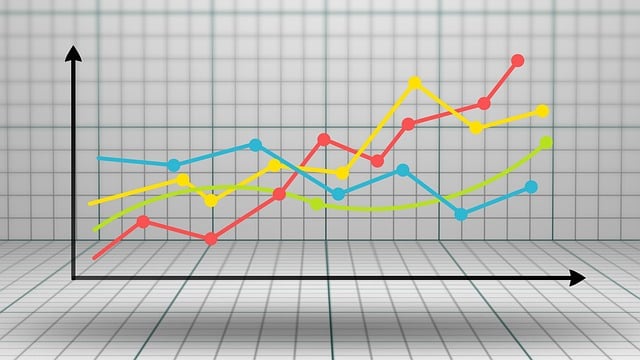
Pricing trends in real estate are intricately linked to supply and demand. A simple supply-and-demand curve analysis can provide valuable insights. When new construction outpaces absorption rates, prices tend to level off or decrease. Conversely, areas with limited supply relative to high demand often experience rapid price appreciation. For instance, cities with stringent zoning regulations that limit the availability of new housing units may exhibit higher prices due to the scarcity of properties. Investors and buyers alike benefit from studying historical price trends, as they can predict market movements and make informed decisions based on these patterns.
Expert advice for navigating this dynamic landscape includes conducting thorough market research, analyzing comparable sales data, and staying informed about local economic indicators. Regularly assessing market conditions allows real estate professionals to anticipate shifts, enabling them to buy low and sell high or identify emerging trends early. Ultimately, a deep understanding of supply and demand is not just an advantage; it’s a necessity for navigating the ever-changing real estate landscape.
Pricing Strategies: Trends Shaping Real Estate Value

In the ever-evolving landscape of real estate, pricing strategies play a pivotal role in shaping market dynamics and consumer behavior. Understanding supply and demand trends is not merely an academic exercise; it’s a strategic imperative for both developers and investors. The past decade has witnessed a profound shift in pricing models, driven by economic fluctuations, technological advancements, and changing lifestyle preferences. For instance, the global financial crisis of 2008 significantly impacted real estate values worldwide, leading to a period of cautious pricing and a reevaluation of risk-return ratios. In contrast, post-pandemic times have seen a surge in remote work adoption, influencing urban planning and fueling demand for suburban and rural properties, thereby altering traditional price patterns.
Real estate professionals must stay abreast of these trends to implement effective pricing strategies. Data analytics has emerged as a powerful tool, enabling more precise valuation models. By analyzing historical sales data, market trends, and demographic shifts, experts can predict price movements with greater accuracy. For example, advanced algorithms can identify hidden patterns in property prices, accounting for factors like school districts, crime rates, and proximity to amenities. This analytical approach ensures that listings are competitively priced, attracting buyers while maximizing seller returns. Moreover, real-time market intelligence allows agents to quickly adapt their strategies, ensuring they remain ahead of the curve in a dynamic marketplace.
Implementing pricing strategies requires a nuanced understanding of local markets. In high-demand areas, creative pricing techniques, such as offering flexible payment terms or including premium amenities, can drive sales. Conversely, in saturated markets, strategic price reductions or unique marketing campaigns may be necessary to stimulate interest. For instance, developers have successfully adopted the “value-based pricing” approach, focusing on the benefits and features of a property rather than solely relying on location. This strategy has proven effective in attracting buyers who prioritize specific amenities or design elements over traditional zoning considerations. Ultimately, success in real estate lies not just in setting prices but in understanding and responding to the ever-changing market dynamics that influence them.
Understanding Demand Drivers for Informed Decisions
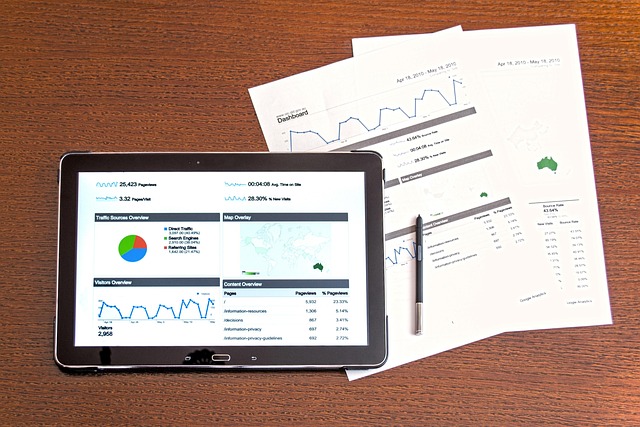
In the dynamic landscape of real estate, understanding demand drivers is paramount for making informed decisions. Demand in this sector is a multifaceted variable influenced by a myriad of economic, social, and technological factors. By meticulously analyzing these drivers, investors, developers, and agents can anticipate market shifts, optimize pricing strategies, and position themselves advantageously. For instance, demographic changes such as population growth or urbanization trends can significantly boost demand for housing, driving up prices in areas with high desirability.
One key demand driver in real estate is the evolving work landscape. Remote work policies, accelerated by recent global events, have led to a redistribution of labor across various regions. This has resulted in increased demand for housing in suburban or rural locations offering quieter, more spacious living environments compared to urban centers. Consequently, pricing trends have shifted, with some suburban markets experiencing rapid appreciation as buyers seek alternative lifestyles. For example, data from the National Association of Realtors shows that sales in secondary cities like Austin and Portland outpaced major metropolitan areas during the pandemic, reflecting this demand dynamic.
Moreover, lifestyle preferences play a substantial role in shaping real estate demand. Growing interest in sustainable living, for instance, has fueled the popularity of eco-friendly properties featuring energy-efficient designs and green amenities. Similarly, the rise of the ‘woke’ consumer has led to increased demand for spaces that promote inclusivity and accessibility. Developers who recognize these trends and incorporate them into their projects stand to gain a competitive edge in today’s market. By staying attuned to shifting demand drivers, real estate professionals can not only navigate the current climate effectively but also anticipate future market movements with greater precision.