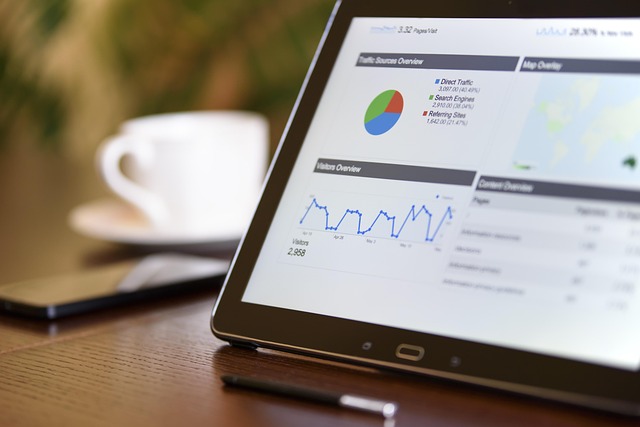
Real Estate decision-making heavily relies on data. Key metrics like occupancy rates, rental income, and property values gauge market health. Demographic trends predict demand shifts. Local competition analysis informs pricing strategies. Professionals use advanced analytics platforms and databases to integrate diverse data for comprehensive insights. Staying ahead requires continuous trend analysis, such as remote work impacts on urban living. By interpreting these data-driven insights, real estate experts make strategic plans, manage risks, and optimize investments. Practical steps include efficient data collection, utilizing GIS and property management software, and collaborating with data scientists for predictive modeling.
In the dynamic landscape of real estate, making informed decisions is paramount for success. Yet, navigating complex markets and abundant data can be overwhelming. This article delves into the critical process of gathering and interpreting data to drive strategic choices in this realm. By leveraging robust datasets and advanced analytics, investors and professionals can uncover insights that mitigate risk and capitalize on opportunities. We explore proven methodologies and cutting-edge tools that empower stakeholders to make sound decisions, ensuring their competitive edge in a constantly evolving real estate market.
Define Data Needs for Real Estate Decisions

In real estate, data is not merely an optional tool but a cornerstone for strategic decision-making. Defining and gathering relevant data needs is pivotal to navigating this dynamic market with confidence. It involves understanding specific metrics that drive investment strategies, inform property management, and influence tenant experiences. Key performance indicators (KPIs) such as occupancy rates, rental income, and property values are fundamental; they provide insights into market trends and asset performance.
For instance, a real estate investor might prioritize data on demographic shifts in targeted neighborhoods to predict future demand for residential properties. Analyzing population growth, age distribution, and employment rates can offer valuable clues about areas with high potential appreciation or stable rental markets. Additionally, data on local competition, such as vacant units or upcoming development projects, helps in making informed decisions regarding pricing strategies and property positioning.
Real Estate professionals should adopt a systematic approach to data gathering, ensuring accuracy and relevance. Utilizing advanced analytics platforms and industry-specific databases can streamline the process. By integrating data from multiple sources—government records, market research firms, and internal databases—they can create comprehensive profiles for informed decision-making. This holistic view allows for strategic planning, effective risk management, and optimal investment allocation in a competitive real estate landscape.
Collect and Analyze Market Trends and Insights
Gathering and analyzing market trends is a cornerstone of informed decision-making in real estate. This involves not just understanding broad economic indicators but also delving into specific micro-level dynamics within targeted markets. For instance, tracking home sales prices over time in a particular neighborhood can reveal emerging trends that influence property values. Data on demographic shifts, such as population growth or changes in age demographics, provide insights into potential demand for housing types and locations.
Analysts employ sophisticated tools to collect these data points, from government census databases to industry-specific software platforms that aggregate and interpret market information. By combining quantitative data with qualitative observations, professionals gain a holistic view of the market landscape. For example, while sales figures might indicate rising prices in a specific area, site visits and interviews with local real estate agents can offer context on the reasons behind these trends, such as new developments or changing lifestyle preferences.
In today’s competitive real estate environment, staying ahead requires continuous analysis and adaptation to shifting market conditions. This involves monitoring not only traditional indicators but also emerging trends like remote work patterns influencing urban living preferences or green building certifications gaining popularity. For instance, a growing trend towards sustainable housing could significantly impact the investment strategies of both developers and investors in the coming years. By actively collecting and interpreting these insights, professionals make data-driven decisions that maximize opportunities and mitigate risks in real estate investments and developments.
Leverage Data for Strategic Real Estate Planning

In today’s data-driven world, leveraging information is pivotal for strategic real estate planning. Real estate professionals must embrace a data-centric approach to make informed decisions, adapt to market dynamics, and stay ahead of the competition. By gathering and analyzing relevant metrics, they can uncover insights that shape their strategies and ultimately enhance investment outcomes. For instance, examining historical sales data allows for identifying trends in property values, helping investors pinpoint lucrative opportunities or areas requiring renovation.
Grasping demographic shifts is another critical aspect. Data on population growth, age distribution, and income levels provides a comprehensive view of evolving real estate demands. Consider the case of urban centers experiencing rapid population growth; this information prompts developers to focus on high-density housing projects. Conversely, understanding declining industrial sectors can guide investors towards diversifying their portfolios by investing in emerging commercial hubs. Accurate data becomes a powerful tool for forecasting market trends and making proactive decisions.
Actionable advice includes establishing robust data collection processes and employing advanced analytics techniques. Integrating technology solutions like geographic information systems (GIS) and property management software streamlines data management and analysis. These tools enable efficient tracking of real estate assets, market changes, and tenant behavior. Moreover, collaborating with data scientists or analysts specialized in the real estate sector can unlock advanced predictive modeling, providing valuable insights into future scenarios. Such strategic planning, guided by data, not only minimizes risks but also paves the way for successful real estate ventures.