Real Estate pricing is driven by supply and demand dynamics, influenced by economic factors, demographics, and technology. Urban centers with high demand lead to elevated prices, while seasonal fluctuations impact property values. Technological advancements democratize access to data, enabling informed decision-making. Successful real estate strategies involve setting listing prices based on comparable sales, offering incentives in competitive markets, and staying agile with pricing adjustments using market trends and tech insights.
In the dynamic realm of real estate, understanding supply, demand, and pricing trends is paramount for both investors and professionals alike. These forces drive market fluctuations, influence property values, and shape investment strategies. However, navigating this intricate web can be challenging, given the constant shifts in economic indicators and consumer behaviors. This article delves into a comprehensive evaluation framework, providing insights that cut through the noise to offer genuine value. By exploring proven methodologies for analyzing supply, demand, and pricing trends, we empower readers with the knowledge needed to make informed decisions within the ever-evolving real estate landscape.
Analyze Market Dynamics: Understand Supply and Demand Factors in Real Estate

In real estate, understanding market dynamics involves a deep analysis of supply and demand factors, which are the backbone of any thriving industry. The relationship between these two forces dictates price trends, property values, and the overall health of the market. For instance, in urban centers like New York or San Francisco, high demand for limited housing units naturally drives up prices, making real estate a lucrative yet competitive arena. This dynamic is further complicated by external factors such as economic conditions, interest rates, and demographic shifts.
For example, during economic booms, increased disposable income encourages investment in real estate, driving up demand and, consequently, prices. Conversely, recessions might lead to a decrease in both supply and demand, causing price drops. As an investor, staying abreast of these trends is crucial. Monitoring housing inventory levels, tracking sales data, and analyzing market history can provide valuable insights into future pricing movements.
Furthermore, demographic changes also play a significant role. Growing populations or shifts in lifestyle preferences can dramatically impact the real estate landscape. Consider the rise of remote work, which has led to a surge in demand for suburban living, offering larger spaces at competitive prices compared to urban centers. By studying these dynamics, investors and developers can make informed decisions about property acquisition, development, and pricing strategies.
Uncover Pricing Patterns: Trends Shaping Real Estate Markets
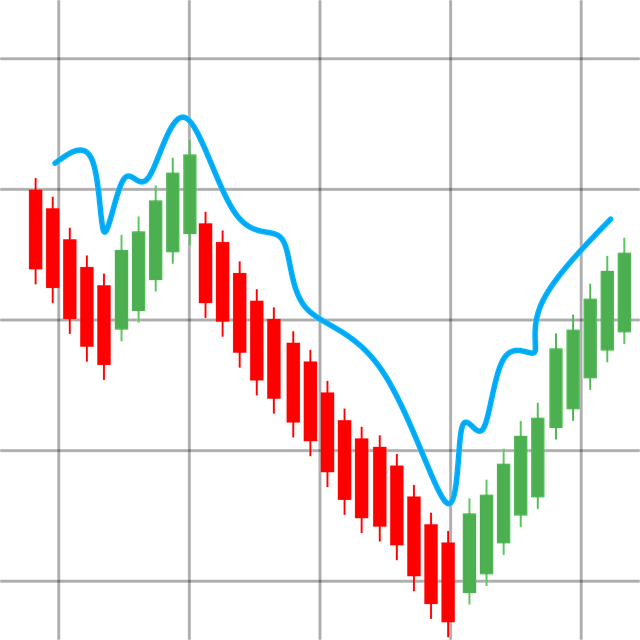
In the dynamic landscape of real estate, understanding pricing patterns is paramount for both market participants and investors. Uncovering these trends involves a meticulous analysis of supply and demand forces, which in turn drive property values across different sectors. For instance, urban areas like New York City have witnessed a surge in high-rise residential buildings, catering to the burgeoning tech industry, resulting in premium pricing for top-floor units with panoramic city views. Conversely, suburban markets may exhibit more stable prices due to higher inventory levels and family-oriented amenities, though they might lag in appreciation rates compared to urban centers.
Seasonality plays a significant role in real estate pricing trends. Spring and summer often see increased activity as buyers seek outdoor living spaces, leading to higher asking prices for well-maintained properties with desirable features like backyard patios or pools. Conversely, winter months may present opportunities for bargain hunters, as sellers are more flexible with their pricing strategies to attract buyers amidst slower market conditions. Expert analysts closely monitor these seasonal fluctuations to predict price movements and advise clients accordingly.
Technological advancements have also transformed the way real estate markets operate. Online listing platforms have democratized access to property data, enabling consumers to make informed decisions based on comprehensive market insights. For instance, advanced analytics tools can identify micro-trends within specific neighborhoods, helping sellers set competitive prices and buyers pinpoint undervalued properties. Moreover, virtual tours and augmented reality technologies enhance the buyer’s experience, allowing them to assess properties from afar before scheduling in-person visits. This evolution necessitates a proactive approach to pricing strategies, where real estate professionals leverage data-driven insights to stay ahead of market shifts.
Strategies for Optimizing Pricing: Balancing Supply and Demand in Real Estate

In real estate, pricing is a delicate balance between supply and demand. Optimizing prices involves understanding market forces and adapting strategies accordingly. Supply dynamics are influenced by factors such as new developments, market saturation, and seller motivations, while demand fluctuates with economic conditions, demographic shifts, and consumer preferences. For instance, in bustling urban centers where demand consistently outstrips supply, pricing power leans towards developers and sellers, allowing for premium rates. Conversely, areas with an abundance of properties and stagnant demand may necessitate more flexible pricing strategies to attract buyers.
Expert analysis suggests that successful real estate professionals actively manage this balance by conducting thorough market research and staying attuned to local trends. This involves analyzing historical sales data, tracking listing inventory levels, and engaging with industry peers to anticipate supply and demand shifts. For example, a real estate agent in a growing suburb might identify a pending influx of new homes under construction, prompting them to advise clients on timing their purchases or adjustments in budget expectations. Furthermore, leveraging technology to analyze market trends provides actionable insights for pricing strategies. Advanced analytics can predict future demand patterns, enabling agents and sellers to set competitive yet profitable prices.
Practical advice for optimizing pricing includes setting a strategic listing price based on comparable sales rather than asking prices alone. This approach ensures properties attract attention without overstating their value, reducing market time and potentially increasing buyer competition. Additionally, offering incentives such as closing costs or upgrades can be effective in a competitive market, sweetening the deal for prospective buyers while allowing some room for negotiation. Ultimately, striking the right balance between supply and demand through agile pricing strategies is key to successful real estate transactions, ensuring both fair returns for sellers and attractive opportunities for purchasers.