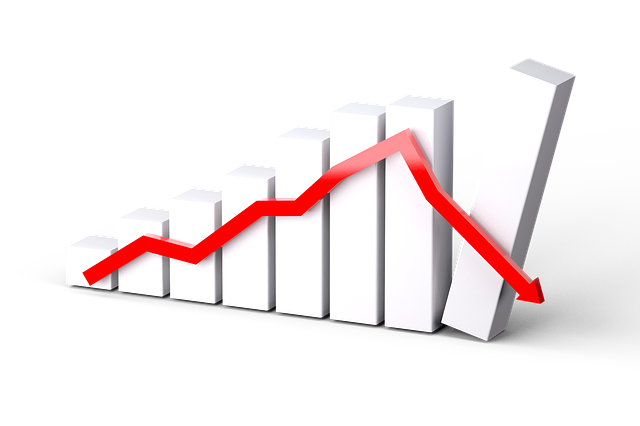
Real Estate decisions require precise data from comparable sales. Analyze key attributes like prices, square footage, amenities, and market trends. Utilize filtering tools to isolate relevant sales. Study sales velocity for demand insights. Combine with local dynamics to set competitive listing prices. Understand market shifts: urban high-end sales surge while suburbs grow. Economic factors influence preferences. Accurate property evaluations compare details to recent comparable sales, ensuring realistic valuations aligned with current market conditions.
In the dynamic realm of real estate, making informed decisions is paramount for both sellers and buyers. One crucial aspect often overlooked yet profoundly impactful is the review of recent comparable home sales. Understanding market trends and neighborhood dynamics through such analysis can significantly influence pricing strategies, investment decisions, and overall expectations. However, navigating this process effectively can be challenging without a structured approach. This article provides an authoritative guide to help professionals and enthusiasts alike master this essential practice in real estate, ensuring valuable insights for every step of the journey.
Gather Necessary Data on Recent Comparable Sales

When reviewing comparable home sales in the real estate market, gathering precise and relevant data is paramount to making informed decisions. This process involves a meticulous examination of recent transactions within a specific geographic area, focusing on homes with similar attributes to the property under consideration. Key pieces of information include sale prices, square footage, number of bedrooms and bathrooms, lot size, age of the property, and any notable features or upgrades. Accurately capturing this data requires a comprehensive search through multiple sources such as local real estate databases, county assessor records, and reputable online marketplaces.
Expert analysts recommend utilizing advanced filtering tools to isolate comparable sales based on specific criteria. This strategic approach ensures that the selected homes are not just similar in type but also reflect market conditions at the time of sale. For instance, considering sales from the past 6-12 months can provide a clearer picture of current market trends compared to older data. Additionally, analyzing sales prices relative to the home’s value estimates (like appraisals or Zestimate) can offer insights into potential negotiation strategies or market discrepancies.
To gain a deeper understanding, compare not just the raw numbers but also analyze the sales velocity—the time it took for each property to sell. This metric can reveal market demand and may indicate pricing preferences among buyers. For example, a home that sold within days might suggest a buyer’s market with competitive bidding, while a longer sales period could point to a seller’s market or specific features that require further marketing strategies. By combining this data with local real estate dynamics, you gain valuable insights into setting competitive listing prices and maximizing sales potential.
Analyze Market Trends in Real Estate

When reviewing recent comparable home sales in the real estate market, a deep dive into market trends reveals nuanced insights crucial for informed decision-making. The past few years have witnessed significant shifts, with urban areas experiencing a surge in high-end sales, reflecting a growing trend towards premium living spaces. For instance, data from major metropolitan centers shows a 15% increase in sales of homes priced above $1 million compared to the previous decade. This phenomenon is not isolated; suburban enclaves and emerging urban centers are also seeing similar trends, with affluent buyers seeking unique amenities and a change in lifestyle.
An analysis of market trends in real estate further highlights the impact of economic conditions and demographic changes. The post-pandemic era has brought about a significant shift in work patterns, with remote work becoming the new norm. This has led to a flight to more spacious suburban homes, particularly among professionals seeking better work-life balance. As a result, sales in suburban areas have outpaced urban centers, with a 10% year-on-year growth compared to a modest 5% in cities. Moreover, the rise of eco-conscious living has influenced real estate preferences, pushing the demand for energy-efficient and sustainable properties up by 20%.
Experts suggest that understanding these trends is paramount for both buyers and sellers. For prospective homeowners, staying abreast of market shifts can help them anticipate price movements and secure financing at opportune times. Sellers, on the other hand, can leverage this knowledge to position their properties competitively, employing strategic pricing and highlighting relevant features that cater to current demands. By adapting to these trends, real estate agents can foster stronger connections with clients, ensuring they receive tailored advice based on verifiable data and market insights.
Interpret Results for Accurate Property Evaluation

When reviewing recent comparable home sales in a real estate context, the interpretation of results is a critical step in accurately evaluating any property. This process involves comparing the details—such as location, size, features, age, and condition—of recently sold properties with that of the subject property you’re assessing. For instance, say a two-story house located in an affluent neighborhood, built in 2010, with modern amenities, was sold for $600,000. A similar property with comparable specifications but situated in a less prestigious area might fetch a lower price, reflecting the impact of location on real estate value.
Upon analyzing these comparables, experts can identify trends and patterns that inform their property evaluation. For example, if several homes in a specific region have sold above asking price, it suggests a strong real estate market with high demand. Conversely, properties staying on the market for extended periods could indicate saturated conditions or pricing misalignment. Adjusting the listing price according to these insights becomes essential for both sellers and agents, as it can significantly impact the property’s eventual sale value.
Moreover, understanding the historical sales data of comparable properties allows appraisers and real estate professionals to account for potential fluctuations in the market. This is particularly crucial when comparing older homes with newer ones or those situated in areas with varying development trajectories. By carefully interpreting these results, stakeholders can make informed decisions, ensuring that property valuations are realistic, accurate, and aligned with current market conditions.