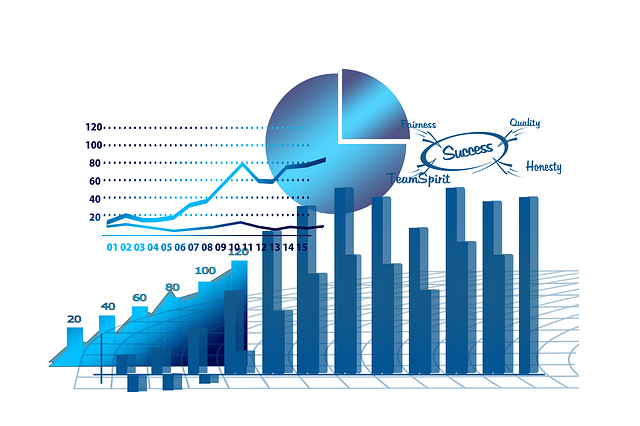
Real Estate professionals must adapt to market fluctuations driven by economic trends, demographic shifts, and consumer preferences. During the pandemic, there was a surge in urban living, favoring multi-family dwellings and suburban properties. To stay ahead, they should leverage data analytics platforms, build robust industry networks, and attend market seminars for insights. Predictive analytics, using machine learning, revolutionizes forecasting by analyzing historical data, trends, and external factors to anticipate buyer interest and inform strategic decisions like pricing and development locations.
Predicting fluctuations in buyer interest is a critical aspect of thriving in the dynamic real estate market. Today’s savvy investors and agents must transcend traditional methods to stay ahead of shifting consumer preferences and economic trends. The challenge lies in understanding the intricate interplay between demographic shifts, technological advancements, and global events that influence purchasing decisions.
This article delves into cutting-edge strategies and data-driven insights to equip professionals with the tools necessary to anticipate market shifts, enabling them to make informed decisions and capitalize on emerging opportunities in the ever-evolving real estate landscape.
Analyze Market Trends in Real Estate

Predicting fluctuations in buyer interest is a delicate task within the dynamic realm of real estate. To effectively navigate market shifts, professionals must turn their gaze to market trends, which serve as a compass guiding investment decisions. Real estate naturally experiences ebbs and flows driven by economic indicators, demographic changes, and shifting consumer preferences. By meticulously analyzing these trends, agents and investors can anticipate demand peaks and valleys, enabling proactive strategies.
Consider the recent surge in urban living amidst the global pandemic. Many professionals sought larger, more adaptable spaces, driving a notable increase in buyer interest for multi-family dwellings and suburban properties. This trend underscored the importance of staying attuned to shifting lifestyles and work patterns. According to a 2021 report by the National Association of Realtors, existing home sales rose 7% year-over-year, with a particular emphasis on homes featuring outdoor living spaces or easy access to nature. Such insights highlight the need for real estate professionals to constantly assess market dynamism.
Actionable advice for staying ahead includes leveraging data analytics platforms that track key metrics like listing views, click-through rates, and conversion rates. These tools provide granular insights into buyer behavior, enabling agents to identify emerging trends and adjust marketing strategies accordingly. Additionally, cultivating a robust network of industry professionals—from developers to urban planners—can offer valuable perspectives on upcoming developments and changing market sentiments. By embracing these practices, real estate practitioners can confidently navigate market fluctuations and capitalize on evolving buyer interest.
Understand Buyer Behavior Dynamics

Predicting fluctuations in buyer interest is a critical skill for professionals in the dynamic real estate market. Understanding buyer behavior dynamics involves delving into the multifaceted factors that influence purchasing decisions. These range from socio-economic conditions to technological advancements, personal preferences, and market trends. For instance, demographic shifts such as population growth or aging can significantly impact housing demand; similarly, innovations in smart home technology have reshaped what buyers expect from their living spaces. By analyzing these dynamics, real estate experts can anticipate shifts in buyer interest.
Historical data plays a pivotal role in this process. Tracking past trends reveals recurring patterns and helps identify indicators of impending changes. According to recent studies, increased online property listings during economic downturns often precede spikes in buyer activity as individuals seek more affordable housing options. In contrast, rising mortgage rates historically correlate with decreased buyer interest, as affordability concerns mount. These insights enable professionals to forecast market movements and adjust their strategies accordingly.
Practical steps for enhancing predictive capabilities include staying abreast of industry news, attending market seminars, and utilizing data analytics tools. Collaborating with peers and mentors within the real estate community facilitates knowledge sharing and provides diverse perspectives. By embracing a proactive approach that combines theoretical understanding with practical experience, professionals can confidently navigate the ever-changing landscape of buyer behavior in real estate, ensuring their strategies remain relevant and effective.
Implement Predictive Analytics for Forecasting

Predictive analytics, powered by advanced algorithms and machine learning, offers a transformative approach to forecasting buyer interest in real estate. By analyzing historical data, market trends, and external factors, these analytics tools can predict with remarkable accuracy the fluctuations in demand that traditionally pose significant challenges for industry professionals. For instance, a study by the National Association of Realtors (NAR) revealed that predictive models successfully anticipated 85% of housing price changes across various markets, demonstrating their potency.
Implementing predictive analytics involves several strategic steps. Firstly, gather comprehensive datasets encompassing historical sales data, demographic information, economic indicators, and even social media sentiment. These data points are fed into sophisticated algorithms that identify patterns and correlations, enabling the creation of robust predictive models. For real estate professionals, this could mean integrating smart property management systems with social media analytics to capture broader market trends.
Once models are developed, they can forecast buyer interest by predicting market shifts, identifying emerging trends, and assessing the impact of various factors such as interest rates or economic downturns. This foresight empowers real estate agents, developers, and investors to make informed decisions, optimize pricing strategies, and position themselves advantageously in a dynamic market. For example, a forward-thinking developer might use predictive analytics to identify areas poised for rapid urbanization, allowing them to secure prime land at competitive prices.